
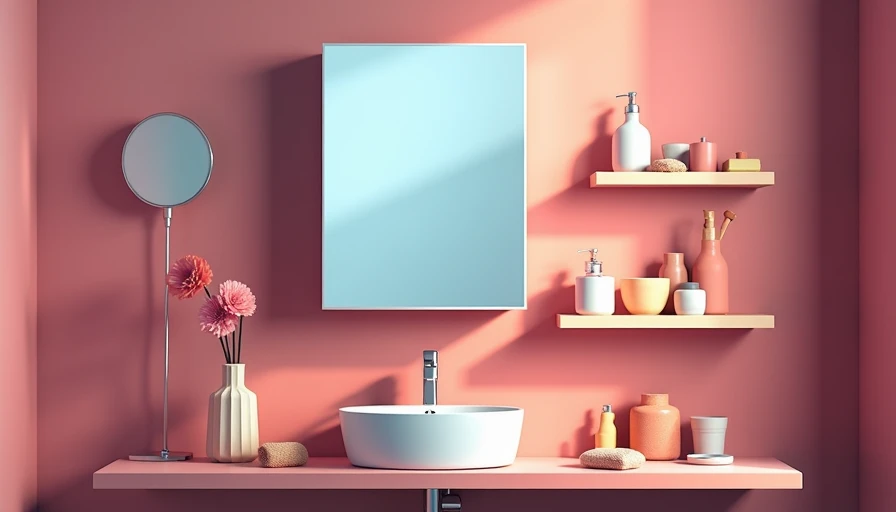
A do it yourself medicine cabinet can solve two small-bathroom problems at once: it gives daily essentials a home and turns an otherwise blank wall into useful storage. In a 5-by-7 bathroom, that matters more than adding another decorative shelf. The best version is not necessarily the biggest cabinet. It is the one that fits the wall, door swing, lighting, and habits of the people using it.
I have designed enough compact bathrooms to know that storage fails when it is treated as an afterthought. A cabinet mounted too close to the faucet feels cramped. One with a shallow interior becomes a display case for half-used bottles. Before buying materials, measure the wall carefully and decide what needs to disappear behind the mirror.
Start With the Wall and the Clearance
The most straightforward do it yourself medicine cabinet is a surface-mounted box installed over the existing wall. This approach avoids cutting into drywall and is usually appropriate for renters or homeowners who want a weekend project. Look for a cabinet between 20 and 24 inches wide, 26 to 30 inches high, and 4 to 6 inches deep. That size holds toothpaste, skincare, medication, and a few grooming tools without overwhelming a narrow vanity.
Center the mirror over the sink when possible, but do not force symmetry if the wall does not allow it. Leave at least 3 inches from a side wall, backsplash edge, or tall faucet fixture. Check that the cabinet door opens away from the shower entrance and does not collide with a nearby sconce. In a tight room, a mirrored door with a recessed handle is cleaner than a protruding knob.
Use a stud finder before drilling. If the cabinet does not line up with studs, install appropriate wall anchors rated for its weight, then follow the manufacturer’s mounting instructions. A loaded cabinet can weigh 30 pounds or more, especially when it has a mirrored door and glass shelves. This is one place where five extra minutes of planning prevents a cracked sink or a dangerous fall.
Choose a Cabinet Style That Earns Its Depth
A do it yourself medicine cabinet should be selected by interior function, not just exterior finish. A cabinet with two adjustable glass shelves is more useful than one fixed shelf because tall pump bottles and short jars need different clearances. I like interiors with a minimum of 4 inches between shelf levels and a bottom compartment at least 6 inches high for electric toothbrushes or larger containers.
Surface-mounted cabinets project into the room, so keep the profile visually quiet. White enamel works in a rental, while brushed brass or matte black trim can connect the cabinet to the faucet and light fixture. Avoid an ornate frame in a bathroom under 50 square feet. It adds visual weight precisely where the room needs calm.
A recessed cabinet looks more custom because most of the box disappears into the wall. However, recessed installation is not automatically better. Plumbing lines, electrical wires, insulation, and structural studs can occupy the cavity. Never cut into drywall without confirming what is behind it. If the wall contains wiring or plumbing, choose a surface-mounted model instead or hire a qualified professional for the alteration.
Build a Simple Custom Version
For an unusual wall width, you can make a do it yourself medicine cabinet from a ready-made mirror, a shallow plywood box, and concealed hinges. A practical interior width is 18 to 22 inches, with a depth of 4 inches. Use moisture-resistant plywood or sealed furniture board rather than ordinary particleboard, which can swell at the edges when exposed to steam.
Cut the back, sides, top, and bottom so the box is square. Seal every cut edge with primer or polyurethane before assembly. Add a thin wood cleat across the back for mounting, then attach the mirror door with European-style hinges rated for its weight. If the door is heavy, three hinges are safer than two. Magnetic catches should hold the door closed without requiring a hard push.
For a polished finish, paint the box in the same color as the vanity or use a contrasting tone inside the cabinet. A pale blue-gray interior can make a plain white cabinet feel intentional, while a dark interior hides visual clutter. Add clear shelf liner that can be removed for cleaning rather than permanently gluing decorative paper to the shelves.
Make the Storage Work Every Morning
The most attractive cabinet still fails if everyone has to empty it onto the counter. Give each shelf a job. Place daily items such as toothpaste, floss, and face wash at eye level. Put backup products on the highest shelf. Keep medication in its original labeled container, away from children and moisture, and follow its storage instructions rather than treating the cabinet as a universal medicine location.
A do it yourself medicine cabinet also benefits from small organizers. Narrow acrylic bins keep contact-lens supplies together, while a magnetic strip can hold metal grooming tools if it is securely installed and kept away from anything that should not be magnetized. Avoid filling every inch. A 20 percent empty zone makes it easier to put things away and helps the mirror read as part of the room instead of a cluttered cabinet door.
If two people share the bathroom, divide shelves by routine instead of assigning one side to each person. One shelf can hold morning items, another evening items, and the bottom can store less frequently used products. This reduces the frantic countertop pile that makes a small bathroom feel even smaller.

Improve the Mirror and the Lighting
A do it yourself medicine cabinet is also an opportunity to correct poor lighting. A mirrored cabinet alone cannot replace a good light source because the person standing in front of it can cast a shadow across the face. Pair it with a wall sconce beside the mirror or a light above it. In a narrow 5-by-7 layout, two slim vertical sconces often provide more useful light than one wide fixture.
Choose a fixture rated for bathroom use and install it according to local electrical requirements. Warm-neutral bulbs around 2700K to 3000K tend to flatter tile and skin tones without making white surfaces look gray. If the cabinet includes built-in lighting, compare the light’s color temperature with the existing ceiling fixture before purchasing. Mismatched bulbs can make the room feel unintentionally patchy.
The mirror should be wide enough for the sink but not so wide that it crowds a side wall. A 22-inch cabinet over a 24-inch vanity usually looks balanced. If the room has a low ceiling, a vertical cabinet can emphasize height; if the vanity is very narrow, a wider horizontal cabinet can add storage without making the wall feel tall and heavy.
A Weekend Installation Plan
Set aside one afternoon for a basic surface-mounted project. Start by measuring the wall, sink, faucet, sconces, and door swing. Mark the cabinet’s top and centerline with painter’s tape. Confirm the mounting points, locate studs, and assemble the cabinet on the floor before lifting it into place.
Have a second person hold the cabinet while you mark holes. Drill pilot holes, attach the cabinet securely, and test the door before loading the shelves. Wipe away construction dust, add shelf liners or bins, and place only the products used regularly. If the cabinet rocks, the door sags, or the wall feels soft around an anchor, stop and correct the mounting rather than trying to disguise the problem.
For a basic cabinet, expect to spend roughly $80 to $250, depending on the mirror, hardware, and finish. A custom box can cost less in materials but more in time. The money is well spent when it replaces a freestanding tower that blocks the walkway or a vanity overloaded with bottles.
The Small-Bathroom Payoff
A do it yourself medicine cabinet works best when it protects the room’s circulation. Keep at least 30 inches of comfortable standing space in front of the vanity where the layout allows. Do not let an open cabinet door block the bathroom entrance or shower path. These clearances matter every morning, not just when the room is photographed.
The goal is not to make storage visible. It is to make the bathroom feel quieter, brighter, and easier to use. Select a cabinet with the right depth, mount it safely, organize it around real routines, and coordinate the mirror with the lighting. With those decisions in place, even a compact bathroom can gain meaningful storage without a renovation-sized bill or a bulky piece of furniture.