

When homeowners search for jacuzzi bath remodel cost, they are usually imagining one of two projects: replacing a dated tub with a safer, more accessible model, or creating a spa-like bathroom from scratch. Those are very different scopes, and confusing them is how a small bathroom budget gets away from you. In a 5-by-7-foot room, I start with the footprint, plumbing locations, and daily routine before choosing any finish.
A focused tub replacement often lands between $8,000 and $18,000, while a more involved bathroom remodel with new tile, lighting, vanity, ventilation, and electrical work can reach $20,000 to $40,000 or more in a high-cost market such as Los Angeles. The product itself is only one piece of the estimate.
What the price usually includes
The phrase Jacuzzi bath remodel cost can describe a new whirlpool tub, an accessible walk-in tub, or a branded bath renovation package. A standard acrylic tub with water jets may cost roughly $2,500 to $7,000 before installation. A walk-in model with a low threshold, built-in seat, handheld shower, and grab bars can run from about $4,000 to $12,000, depending on size and features.
Installation adds demolition, disposal, plumbing connections, waterproofing, electrical work, and labor. If the new tub fits the existing alcove and the drain remains in the same place, the project is relatively controlled. If the tub is wider, deeper, or moved across the room, the contractor may need to open the floor and relocate supply lines or drainage. That change can add several thousand dollars before a single tile is selected.
A realistic estimate should identify each of these line items. Ask whether the quote includes permits, haul-away, wall repair, shutoff valves, a dedicated electrical circuit, waterproof backer board, trim, and final cleanup. A low initial number often excludes one or two of them.
The small-bathroom math that matters
In a compact room, dimensions matter more than the showroom photograph. A 60-inch tub is common, but the usable clearance in front of it determines whether the bathroom feels comfortable. I generally want about 30 inches of clear space in front of a fixture, although existing conditions and local code requirements control the final plan. A bulky whirlpool tub can consume the same footprint as a standard tub while reducing elbow room inside the bathing area.
Before approving a model, measure the doorway, hallway turns, tub alcove, finished wall-to-wall width, and location of the toilet. Some deep tubs cannot be carried through a tight apartment corridor without removing a door or trim. That is a logistics cost, not a design detail.
For a bathroom under 40 square feet, I often recommend spending on a clean tub surround, excellent lighting, and a quiet exhaust fan instead of adding every available jet. A simple white or warm-gray acrylic surround can look intentional when paired with a narrow oak vanity, a wide mirror, and one handsome sconce. The room will feel larger than it would with patterned tile competing against a massive tub.

Which features are worth paying for?
When comparing jacuzzi bath remodel cost, separate features that improve daily use from features that look impressive on a specification sheet. A handheld shower on a slide bar is practical for rinsing, cleaning the tub, and assisting anyone with limited mobility. An integral seat can also be valuable in a walk-in model, but it needs enough depth to support a comfortable sitting position.
Water jets are appealing, yet they add pumps, access requirements, and cleaning considerations. If the tub has a removable access panel, make sure it can actually be reached after the vanity and toilet are installed. A control panel hidden behind a fixed wall is a future service problem.
Grab bars should be anchored into proper blocking, not simply screwed into drywall. Even if you do not need them now, planning reinforcement during the remodel is inexpensive compared with opening finished tile later. Likewise, choose a slip-resistant tub floor and a thermostatic or pressure-balancing shower valve when the budget allows. These choices improve safety without making the room look institutional.
Where the budget grows unexpectedly
The biggest surprise in jacuzzi bath remodel cost is often not the tub. It is the condition behind the walls. Water damage, soft subflooring, outdated wiring, corroded valves, and an undersized exhaust duct can appear after demolition. In a condo, building rules may also dictate work hours, elevator reservations, waterproofing documentation, and licensed-trade requirements.
Tile is another variable. A basic ceramic surround may cost $1,000 to $3,000 installed, while handmade-look tile, complex niches, mosaic floors, or full-height stone can push that portion above $6,000. The visual difference does not always justify the price in a small room. A better move is often to use an affordable field tile and spend on a stone shelf, a quality faucet, or a custom medicine cabinet.
Keep a contingency of about 10% to 20% for concealed conditions. It is not a permission slip for careless estimating; it is protection against the realities of opening a decades-old bathroom.
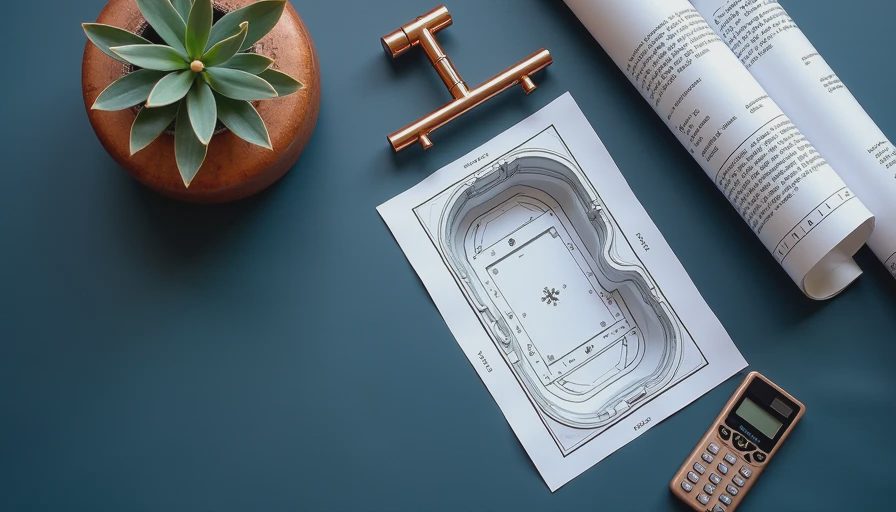
Three practical budget paths
A limited refresh might cost $6,000 to $12,000 if the existing tub stays, the surround is replaced, the plumbing remains in place, and the vanity and mirror are upgraded. This is the best route when the tub is structurally sound and the main problem is a tired finish.
A focused Jacuzzi tub conversion may cost $12,000 to $25,000. This typically includes removing the old tub, installing a new jetted or walk-in model, updating waterproof walls, improving lighting, and repairing the surrounding floor. It can deliver a dramatic comfort upgrade without moving the toilet or vanity.
A full small-bathroom renovation often begins around $20,000 and can exceed $40,000. That scope may include new flooring, a custom glass panel, relocated plumbing, electrical upgrades, ventilation, cabinetry, tile, paint, and permit coordination. In Los Angeles, labor and building logistics can place the project toward the upper end of that range.
How to get a quote you can trust
Start by writing a one-page scope before requesting bids. Include the room dimensions, photos of every wall, the tub style you want, whether accessibility is a priority, and the finishes you consider essential. Ask each contractor to price the same scope so the numbers are comparable.
Request an itemized proposal rather than a single total. The estimate should show demolition, product allowance, labor, plumbing, electrical, waterproofing, tile, glass, permits, and cleanup. Confirm who orders the tub and who is responsible if it arrives damaged or does not fit through the home.
Ask for proof of licensing and insurance, then request references for projects with similar bathrooms. A contractor who notices access, shutoff, ventilation, and waterproofing issues during the first visit is usually more useful than one who only talks about the finish color.
My design recommendation for a 5-by-7 bathroom
For most compact bathrooms, I would keep the tub in its existing location, choose a 60-inch model with a comfortable low-entry profile, and use a restrained wall treatment. Put the design energy into lighting at the mirror, a recessed medicine cabinet, a shower niche, and hardware that feels substantial in the hand. Those details improve the room every morning.
The right jacuzzi bath remodel cost is not the lowest bid and not the most elaborate package. It is the amount that solves the actual problems: difficult entry, poor ventilation, wasted storage, weak lighting, or a failing tub surround. Get the water management and dimensions right first. Then choose the one visible feature, whether that is a jetted tub, a handmade tile accent, or a beautiful vanity, that makes the room feel like yours.