
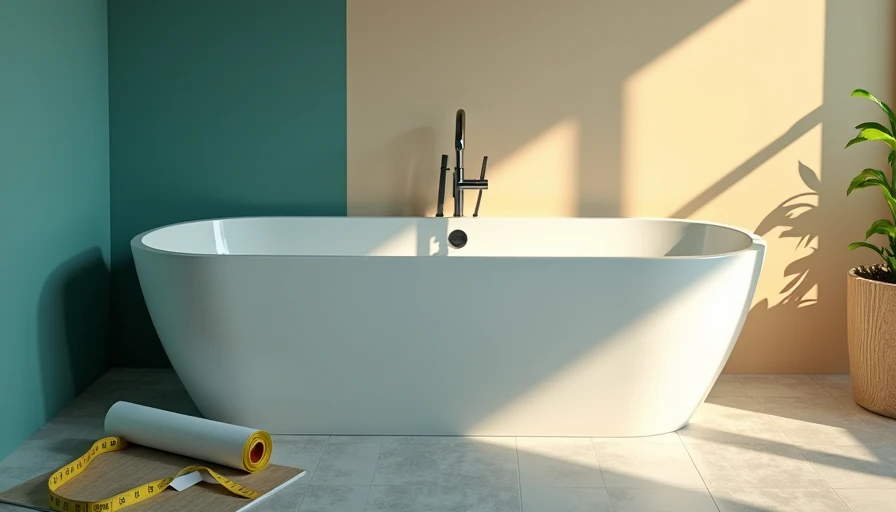
A bathtub replacement can do more for a cramped bathroom than a new paint color ever will. In a 5-by-7 room, the tub occupies an entire short wall, controls the visual axis, and determines whether the space feels intentional or like a leftover corner. I have designed enough compact bathrooms to know that the right replacement is not necessarily the most expensive one. It is the one that fits the room, the plumbing, and the way you actually live.
Before choosing a glossy white model from a showroom, measure the existing alcove from finished wall to finished wall. A standard tub is often 60 inches long and 30 to 32 inches deep, but older apartments can have unusual dimensions. Record the drain location, faucet wall, ceiling height, window position, and door swing. Those five measurements will prevent most expensive surprises.
When bathtub replacement makes sense
A full replacement is worthwhile when the tub is cracked, soft underfoot, badly stained, or surrounded by failing waterproofing. It also makes sense when the current unit wastes valuable space. A deep soaking tub in a bathroom used mostly for quick showers can make the room feel tighter, while a shallow, clean-lined tub creates a more open visual field.
There is a useful middle option between living with an ugly tub and gutting the entire bathroom. A licensed contractor can sometimes remove only the tub and wall surround, inspect the framing and plumbing, then install a new unit with a waterproof surround. This approach often keeps the vanity, toilet, flooring, and lighting intact. Labor, demolition, disposal, and finish work can still add up, but the scope is far smaller than moving every fixture.
For a basic alcove project, homeowners commonly see rough project budgets from about $2,500 to $7,500, depending on location, access, materials, and whether hidden damage appears. Acrylic systems sit toward the practical end; cast iron, custom tile, and relocated plumbing push the number higher. In Los Angeles, elevator access, parking, and condo building rules can affect labor as much as the tub itself.
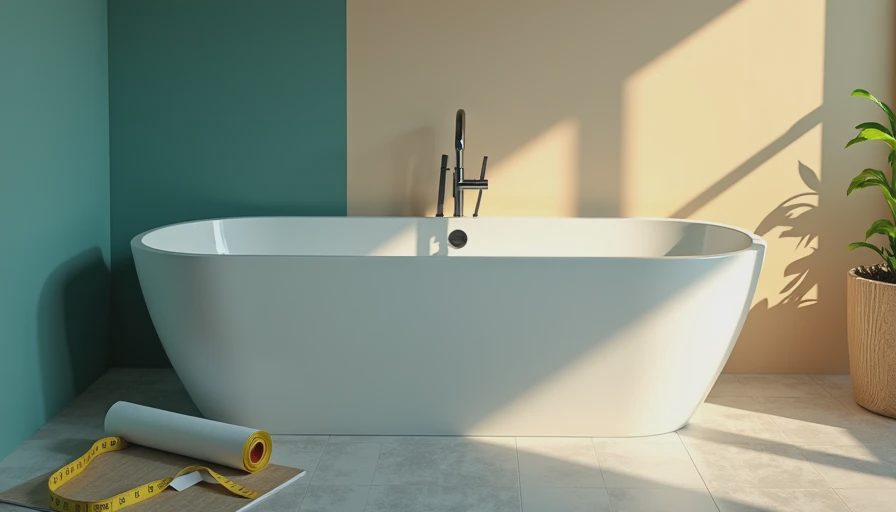
Choosing the right tub for 35 to 80 square feet
Acrylic is my default recommendation for many small bathrooms. It is lighter than cast iron, available in dependable 60-inch alcove sizes, and easier to carry through an apartment building. Look for a reinforced base and a surface that does not feel hollow or flex when pressed. American Standard, Kohler, and Bootz all offer practical alcove models in different price tiers, though the exact fit matters more than the logo.
Cast iron has beautiful weight, excellent heat retention, and a surface that can last for decades. The tradeoff is installation difficulty. In a condo or upper-floor apartment, getting a 300-pound tub through corridors and over thresholds can turn a simple bathtub replacement into a logistical project. Steel tubs offer another middle ground: durable and relatively light, but sometimes louder and less forgiving if the finish chips.
Shape matters just as much as material. Avoid a dramatically curved apron in a narrow room; it steals usable floor area and can make the toilet feel crowded. A straight apron with a crisp edge usually reads larger. If you want a soaking profile, choose interior depth over exterior bulk. A 60-by-30 tub with a deeper basin can feel generous without changing the footprint.
The surround is where the design happens
A replacement tub paired with a cheap-looking surround can make the whole project feel unfinished. Large-format porcelain tile, solid-surface panels, and molded acrylic surrounds each have a place. Tile gives you the most visual control, but it requires careful waterproofing, grout maintenance, and a perfectly supported substrate. Solid panels reduce grout lines and can look calm in a small space, especially in a warm stone color rather than stark hospital white.
For a 5-by-7 bathroom, I like vertical emphasis on the back wall and a simpler treatment on the side walls. A 4-by-12 subway tile installed vertically can make an eight-foot ceiling feel taller, while a 24-by-48 porcelain panel creates fewer visual interruptions. The goal is not to cover the room in pattern. It is to give the eye one clear destination.
Niche placement deserves a sketch before installation. A recessed shelf directly under the showerhead is awkward to use and collects water. Place the niche on the long wall, away from the valve, with its bottom roughly 48 to 54 inches above the finished tub deck. If two people use the shower, two smaller shelves can be more functional than one oversized niche.

Keep the plumbing, improve the experience
Moving a drain or supply lines is where budgets accelerate. If the existing tub is centered correctly and the shower valve is comfortable to reach, keep those locations. Spend the savings on a better valve, a quieter fan, improved lighting, or a properly waterproofed surround. A bathtub replacement does not need to become a plumbing redesign to feel completely new.
A thermostatic or pressure-balancing shower valve improves daily use, especially in homes where another fixture can change water pressure. Delta, Moen, and Kohler make widely available trim systems, but choose the valve body and trim together. They are not universally interchangeable. Also confirm that the new tub has the correct waste-and-overflow configuration before the old unit is removed.
Lighting is the finishing move people forget. A single ceiling fixture often casts a shadow over the shower and makes white surfaces look flat. Add a damp-rated recessed light or a properly rated surface fixture over the tub, then use a warm-white color temperature around 2700K to 3000K. A small bathroom benefits from soft, layered light more than from a bigger mirror.
A practical bathtub replacement checklist
Start with a complete measurement sheet, including the narrowest doorway and hallway width. Confirm whether the old tub can be removed in one piece or must be cut apart. Ask the contractor how the waterproofing will be built: cement board, an approved waterproof membrane, or a manufacturer-specific panel system. “Waterproof tile” is not a method by itself; tile and grout need a waterproof assembly behind them.
Get the written scope to specify demolition, disposal, plumbing connections, wall repair, tile or surround installation, caulking, trim, and final cleanup. Confirm whether permits are required in your city and whether the contractor carries insurance. For a condo, ask the building manager about work hours, elevator reservations, debris removal, and shutoff access before scheduling delivery.
Order the faucet trim, drain, tub, niche accessories, and tile before demolition begins. A missing valve trim can leave a bathroom unusable for days. Keep at least 10 percent extra tile for cuts and future repairs, and save the model numbers of every visible fixture. That small record becomes valuable when a replacement cartridge or matching tile is needed later.
Make the small room feel deliberately designed
The best bathtub replacement projects are not merely repairs. They clarify the room. Use one dominant material, one supporting texture, and a restrained hardware finish. Chrome can be bright and budget-friendly; brushed nickel is forgiving with water spots; matte black brings contrast but shows mineral residue more easily. Do not force a trend that fights your maintenance habits.
A simple white tub can look high-end beside a softly colored wall tile, a walnut-toned vanity, and a good linen shower curtain. In a rental, a tension rod, removable hooks, and a framed mirror can provide the same visual discipline without permanent changes. In a starter home, the money is better spent on waterproofing and installation quality than on decorative hardware that will be replaced later.
If the tub is structurally sound but visually tired, reglazing can be an economical alternative, often costing several hundred dollars rather than several thousand. It will not solve a damaged base, poor waterproofing, or an awkward footprint, and the surface needs gentle cleaning. For a cracked or chronically damp installation, replacement is the more durable answer.
The smartest bathtub replacement is the one that respects the existing room while correcting what bothers you every day: a tub that is too deep, a surround with too many grout lines, a showerhead placed too low, or storage that never worked. Measure first, protect the waterproofing, and spend on the details your hands and eyes use daily. That is how a small bathroom stops feeling compromised and starts feeling designed.