
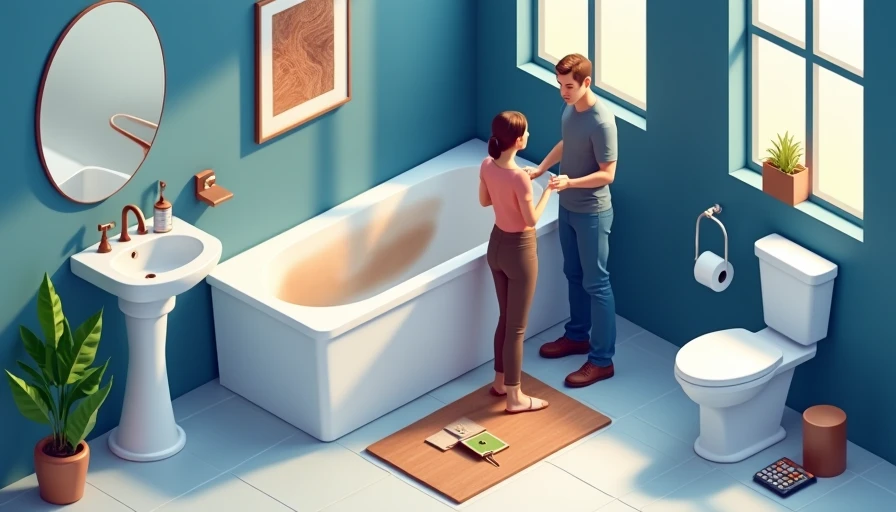
Bath resurfacing price is usually far lower than the cost of removing and replacing a bathtub, which is why it makes so much sense in a compact bathroom. Most homeowners should expect roughly $400 to $1,200 for professional resurfacing, although a complicated tub, premium coating, or high-cost city can push the total higher. The real question is not simply what resurfacing costs. It is whether your existing tub has a solid shape underneath the stains, chips, and dated color.
In a 5-by-7 bathroom, replacing a tub often creates a chain reaction. The wall surround may need to come out, tile can crack, plumbing access may be required, and the floor may need patching. Resurfacing changes the visible finish without disturbing that entire system. That is less dramatic than a demolition day, but it is often the more intelligent design decision.
What bath resurfacing price includes
A professional quote generally covers preparation, repairs, coating, and cleanup. Preparation is the part that separates a durable result from a quick cosmetic cover-up. The technician removes caulk, cleans away soap buildup, sands the surface, masks nearby fixtures, and creates a profile that allows the new coating to bond. If the tub has rust, deep scratches, or small cracks, those areas should be repaired before refinishing begins.
For a standard alcove tub, labor often makes up most of the bath resurfacing price. A straightforward fiberglass or porcelain tub may fall near the lower end of the range, while a cast-iron clawfoot tub can require more sanding, filling, masking, and specialized coating. A surround, sink, or tile wall can sometimes be refinished during the same visit, but that is priced as additional surface area rather than included automatically.
Ask whether the estimate includes removal of old caulk and installation of new silicone caulk. Also ask how long the coating needs to cure before the tub can be used. A low quote that skips repairs or rushes the drying period is not a bargain; it is a likely reason to pay twice.
What changes the final cost
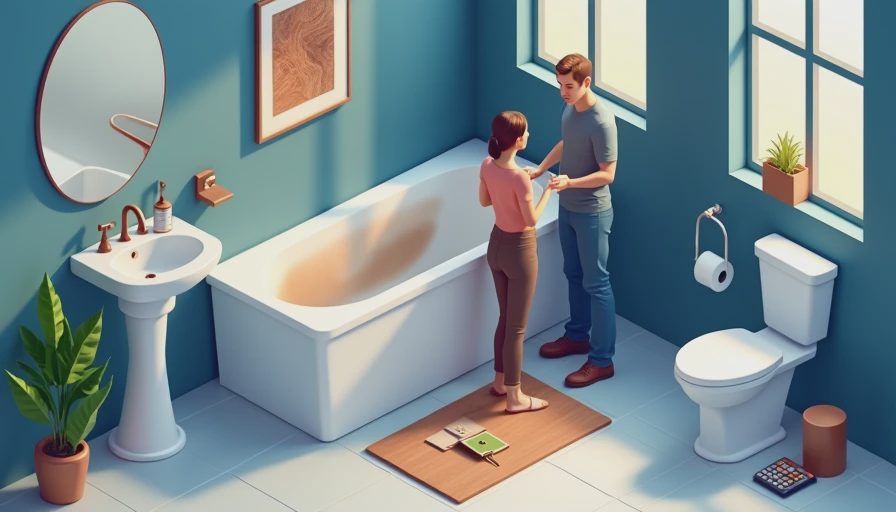
Condition is the biggest variable. A tub with surface discoloration and a few shallow chips is a simple candidate. A tub with widespread rust around the drain, flexing fiberglass, or a leaking base needs more substantial work. Resurfacing can improve the finish, but it cannot correct a structural failure or stop water entering the wall behind the tub.
Material also matters. Porcelain, enameled steel, cast iron, acrylic, and fiberglass each need different preparation. Acrylic and fiberglass can sometimes be repaired and coated efficiently, while old cast iron may need extensive rust treatment. Color selection usually has a modest effect on bath resurfacing price, but unusual colors, custom matching, and specialty finishes can add labor and material costs.
Location affects quotes, too. In Los Angeles, New York, San Francisco, and other expensive metro areas, labor rates commonly run higher than in smaller markets. A second-floor apartment with difficult parking or limited ventilation may also cost more because setup takes longer. Get a written quote that separates surface repairs, coating, caulking, and any travel or access fee.
Resurfacing versus replacing the tub
Replacement sounds straightforward until the measurements begin. A standard 60-inch alcove tub may cost $300 to $1,000 before installation. Add demolition, disposal, plumbing adjustments, wall repair, waterproofing, tile, and labor, and a basic replacement can reach $2,500 to $6,000. Moving up to a different tub size or layout makes the project more expensive and may reduce already limited floor space.
That comparison explains why bath resurfacing price is attractive for a rental refresh, a pre-sale update, or a bathroom that has good plumbing and a useful layout. Resurfacing can make an almond, yellowed, or heavily worn tub look clean and current in a single day. Pair it with a new shower curtain, a simple walnut-tone vanity, and a 24-inch-wide mirror, and the room can feel intentionally designed rather than merely repaired.
Replacement is the better choice when the tub is badly warped, repeatedly leaking, unstable underfoot, or awkwardly sized for the room. It is also worth considering during a larger renovation when walls and floors are already being opened. Do not resurface a failing shell just because the finish looks unpleasant; no coating can turn structural damage into a sound tub.

How to spend less without choosing the wrong contractor
Start by photographing the entire tub, including the drain, corners, apron, and any chipped areas. Send the same photos to at least three local companies so their estimates are easier to compare. Describe whether the surface is porcelain, fiberglass, acrylic, or unknown. Clear information reduces surprise charges and helps the contractor bring the right repair materials.
Do not select a company only because it advertises the lowest bath resurfacing price. Look for a clear process, recent reviews, proof of insurance, and a written warranty. A warranty of three to five years is common for professional work, but its coverage can differ. Ask whether it covers peeling, bubbling, and adhesion failure, or only workmanship defects.
You can often reduce the total by resurfacing only the tub rather than the tub, surround, sink, and tile together. However, avoid doing prep work with household abrasive cleaners immediately before the appointment. Some products leave residue that interferes with bonding. Remove toiletries, rugs, and loose accessories so the technician can work efficiently and protect the rest of the room.
Design choices that make the finish look expensive
White remains the safest choice for a small bathroom because it reflects light and makes the tub look integrated with the walls. A soft warm white works better beside beige tile than a stark blue-white. If the room has gray flooring and chrome fixtures, a cool white can look crisp, but test the relationship with your existing tile before committing.
I usually recommend spending the design budget on the surrounding details rather than an exotic tub color. Replace yellowed caulk, update the showerhead, add one strong towel hook, and use a washable fabric curtain with a quiet pattern. In an under-80-square-foot bathroom, those changes are visible from the doorway. A glossy black tub may look dramatic online, but it can show mineral deposits and make a narrow room feel heavier.
The best bath resurfacing price is the one that supports the room's proportions and future maintenance. Choose a finish that is easy to clean, allow the coating to cure fully, and use nonabrasive products afterward. A resurfaced tub should not be treated like a stone countertop; harsh scouring pads and suction-cup mats can shorten its life.
Is bath resurfacing worth it for your bathroom?
For a sound tub with an ugly finish, resurfacing is often the highest-impact move under $1,200. It avoids demolition, preserves your existing footprint, and gives the rest of a small bathroom a cleaner visual starting point. For a damaged or leaking tub, replacement is the responsible investment even when the initial bath resurfacing price looks tempting.
Before booking, confirm the material, document the damage, compare itemized quotes, and ask about curing time and warranty coverage. Then judge the result against the whole room, not just the tub. When the proportions already work, a careful surface renewal can deliver the polished bathroom you wanted without turning a five-by-seven space into a month-long construction project.