
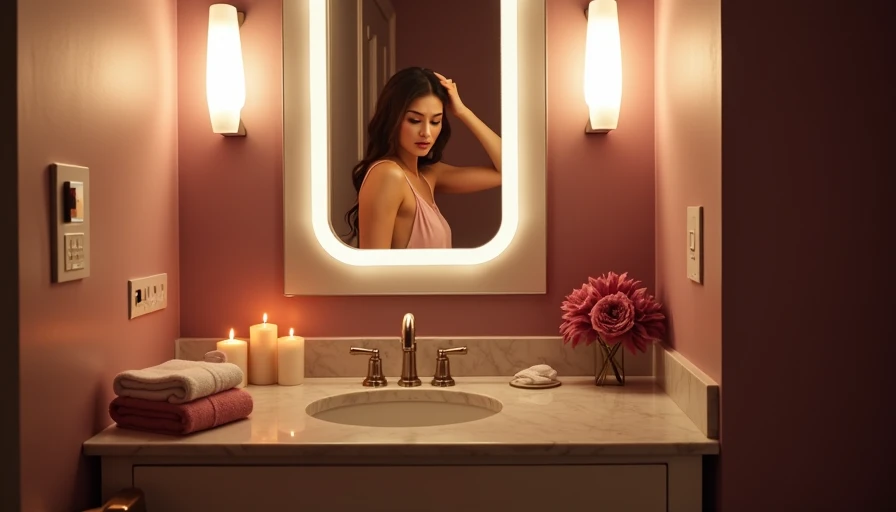
If you are trying to make a tiny bath feel calmer, brighter, and a little more expensive than it really is, start with vanity lights. In a room under 80 square feet, the mirror wall does most of the visual work, which means the wrong fixture can make everything feel lopsided, dim, or oddly low. The right choice does the opposite: it stretches the wall, flatters faces, and makes the whole room look more deliberate. I have used that trick in 35-square-foot powder rooms and in cramped 5x7 apartments, and it works because light is one of the few design moves that changes both function and mood at once.
Start with placement, not the fixture
Most vanity lights should be placed to serve the face first and the room second. That means thinking about height, spread, and where the mirror ends before you fall in love with a finish. If you are using a single bar above the mirror, a common sweet spot is about 75 to 80 inches from the floor to the center of the fixture, with the bottom of the light sitting a few inches above the mirror frame. For sconces beside a mirror, I like the center of the fixture around eye level, usually in the 60 to 66 inch range from the finished floor. That keeps shadows off the cheeks and under the eyes, which matters more than most people realize.
For a standard 24- to 30-inch vanity, a 2-light bar or a pair of slim sconces usually feels balanced. On a wider 36-inch top, a 3-light bar or two fuller sconces can carry the wall without crowding it. In a small room, scale beats drama every time.
Pick the light quality before you pick the style
I like vanity lights that use warm, clean bulbs rather than the icy white look a lot of builder baths default to. A color temperature between 2700K and 3000K is the safest range for most homes. It keeps skin from looking gray and tile from looking hospital-bright. If the bathroom doubles as a makeup or grooming station, look for a bulb with a color rendering index of 90 or higher so reds, browns, and skin tones read accurately.
Brightness matters too, but more is not always better. In a small bath, an overly strong fixture can bounce off tile and mirror surfaces until the room feels harsh. I usually prefer dimmable LEDs so the space can shift from practical in the morning to softer at night. Lutron dimmers, Cree bulbs, Philips, and Feit all have solid basic options without turning the project into a specialty order.
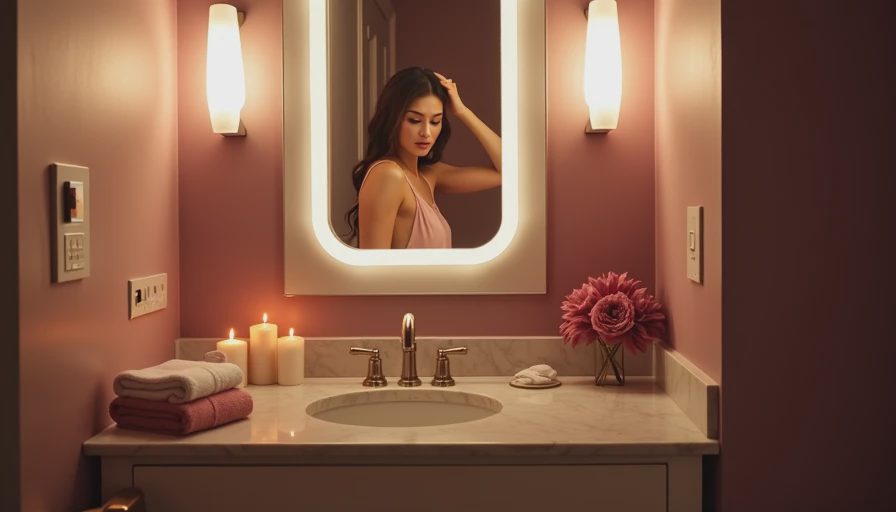
Choose a shape that makes the room feel wider
With vanity lights, the silhouette should do some quiet visual cleanup. Thin arms, opal glass globes, and simple linear bars are easier on the eye than fussy shapes, especially when the bathroom already has a lot going on in a small footprint. A chunky industrial cage can be cool in a large loft bath, but in a tight room it usually steals attention from the mirror and makes the ceiling feel lower.
Finish also changes the mood. Polished nickel and chrome tend to recede, which is useful when you want the wall to read lighter. Brushed brass can warm up all-white tile without getting loud if the rest of the room stays restrained. Matte black works best when it echoes another element, like a faucet or towel hook, so the room feels coordinated instead of overdesigned. Good examples are the cleaner lines from Rejuvenation, Schoolhouse, Kichler, CB2, and even some of the better Globe Electric pieces if the budget is tight.
Pair the mirror, storage, and fixture together
When vanity lights are paired with a mirror that is slightly narrower than the vanity, the wall usually feels calmer and more intentional. I like a mirror that gives the light room to breathe, not one that butts right into the fixture. A 24-inch sink base often looks best with a 20- to 22-inch mirror, while a 36-inch vanity can comfortably handle a 30- to 32-inch mirror if the surrounding wall space is limited. The exact number matters less than the proportion.
This is also where medicine cabinets earn their keep. In a tiny bathroom, a recessed cabinet can save four to six inches of projection and keep the counter clear. If you want the cleanest possible wall, a mirrored cabinet with slim side sconces is hard to beat. You get storage, a useful reflection, and a layout that does not feel crowded. If you cannot recess anything, a shallow cabinet paired with a simple light bar still gives you most of the benefit.

Avoid the mistakes that make a small bath feel smaller
The most common mistake I see is buying a fixture that is too decorative for the room. The second is hanging it too low, which creates glare and chops up the mirror wall. A third is mixing temperatures, like a cool-white fixture over a warm vanity bulb. The room starts to look accidental instead of designed. Another problem is ignoring the switch. If the light is always full blast, the bath can feel flat at night and too intense first thing in the morning.
In small bathrooms, even modest upgrades change the whole experience. Swapping a cheap basic bar for a better proportioned fixture can cost anywhere from about $80 to $300 for the light itself, with electrician labor often landing in the $150 to $500 range depending on the wiring and the city. Add a dimmer and a better mirror, and the room starts to feel like it got renovated, even if the tile stayed put.
A quick shopping checklist for real-world bathrooms
Good vanity lights should solve three problems at once: they should flatter faces, fit the wall, and make the room look finished. If you are shopping online, measure the mirror width, the wall space above it, and the distance from the electrical box to the sink before you click anything. Then compare that against the fixture width and the bulb type. A 26-inch bar over a 24-inch mirror is usually too much. Two narrow sconces beside a 20-inch mirror can be perfect.
Here is the shortcut I use when a client wants the room to feel better fast: keep the fixture simple, keep the finish tied to one other metal in the room, and choose a bulb that is warm but not yellow. In one small Silver Lake bath, that formula turned a gloomy builder setup into a room that looked twice as big for under $700, including the new mirror and the electrician. If you are refreshing a tight bathroom this year, start with the wall you see first. That is where vanity lights earn their keep.