
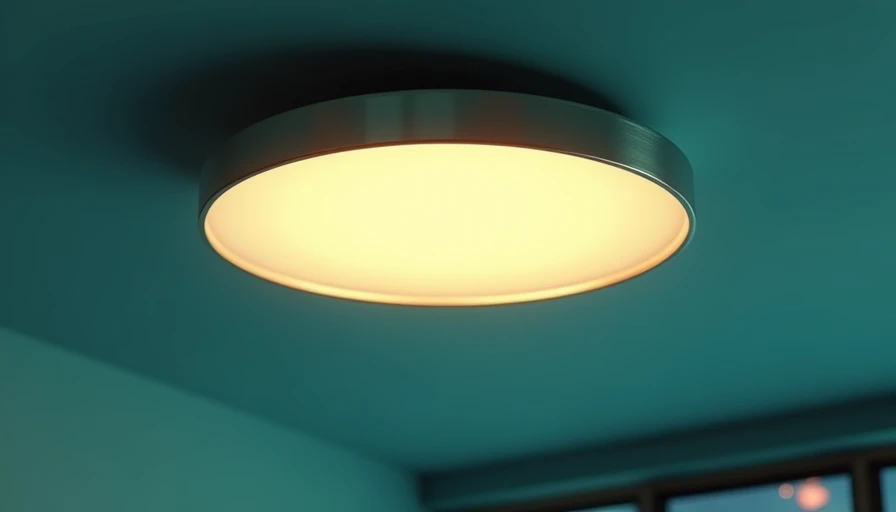
A flush mount ceiling light is one of the few bathroom decisions that can fix a low ceiling, an awkward layout, and bad shadows at the same time. In a small bath, the wrong fixture reads like clutter; the right one disappears into the room and makes everything else look cleaner. I design a lot of 5x7 and 6x8 bathrooms in LA, and this is usually where the room either starts to feel calm or starts to feel cheap.
Why this fixture works when square footage is tight
The main job is simple: keep the ceiling visually open. A fixture that sits close to the drywall preserves headroom, keeps door swings clear, and avoids the heavy look that a bigger pendant or lantern can create in a narrow room. If your ceiling is 8 feet or lower, that low profile matters more than almost any decorative detail.
In a small bathroom, scale is everything. I usually start with a compact dome or drum shape because it gives you real light without dragging the ceiling down. For a room around 35 to 50 square feet, the sweet spot is often 8 to 12 inches across. A fixture that is too small looks like an afterthought; one that is too large can make the ceiling feel lower than it is.
The good news is that you do not need to spend luxury money to get this right. A clean, well-sized fixture in the $60 to $200 range can look completely appropriate if the glass is clear or frosted and the lines are simple.
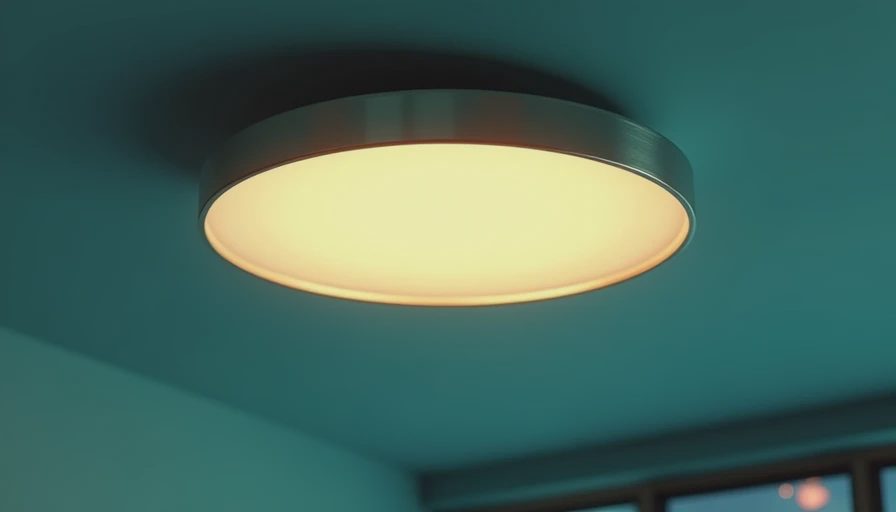
How to choose the right flush mount ceiling light
Size first, finish second. A flush mount ceiling light should relate to the vanity and mirror, not just float in the center of the ceiling with no connection to anything else. If your vanity is 30 inches wide, a 10- to 12-inch fixture usually feels balanced. If the vanity stretches to 48 inches, moving up to 14 or 16 inches keeps the ceiling from feeling underdressed.
Height matters just as much. I like a projection under 4 inches in most small bathrooms, especially when the room has a standard 8-foot ceiling or less. That keeps the visual profile tight and avoids the odd half-semiflush look that can make a ceiling feel busy. When a flush mount ceiling light is too large, it makes the ceiling feel lower; too small, and it looks like a patch.
Finish is where people overthink things. Matte white disappears, which is useful when the tile already has a lot going on. Polished brass can warm up cool white subway tile. Black can look sharp against pale walls, but in a tiny room it needs enough contrast elsewhere to avoid feeling severe. If your faucet, mirror frame, and towel bar are all chrome, matching the metal keeps the room feeling intentional instead of random.
For a budget-friendly update, I look at the same kinds of places most renters already shop: IKEA for simple, affordable shapes, and Home Depot for practical options that do not pretend to be fancy. If the room deserves a more tailored finish, Schoolhouse, Rejuvenation, and CB2 usually offer cleaner details and better glass.
Light quality matters more than the fixture itself
A pretty ceiling fixture that throws ugly light is still a bad fixture. For bathrooms, I like warm white bulbs around 2700K to 3000K, especially when the room has no natural light. That range keeps skin tones from looking flat and helps the space feel softer at night. If you go much cooler, the bathroom starts to feel more like a utility room than a place you want to stand in front of the mirror.
Look for dimmable LED bulbs if the fixture takes replaceable bulbs, or choose an integrated LED only if the diffuser is genuinely even. Frosted glass helps hide the source of light and reduces glare. Clear glass can look more decorative, but in a small bath it often shows every bulb and every shadow. I usually want the light to feel calm before I want it to feel dramatic.
One bright ceiling source can handle ambient light in a compact bath, but it should not be doing every job. A mirror light or a pair of sconces solves the face-shadow problem much better than trying to overpower the room from above. If you can layer the light, the bathroom feels bigger because the surfaces are readable instead of flattened out.
Placement and layout mistakes to avoid
Put the light where the room makes sense, not just where the vanity happens to land. In a narrow bathroom, that usually means centering the fixture in the room itself so the ceiling reads as one clean field. If a medicine cabinet, shower door, or tall linen cabinet is off to one side, a bad center point can make the whole room feel slightly crooked even when everything is installed correctly.
Another common mistake is buying a decorative fixture that belongs in a hallway, not a bath. A busy cage, heavy crystal, or overscaled bowl adds visual noise and can make a small room feel more compressed. The nicest bathrooms I have done under 80 square feet are usually the ones that resist the urge to do too much overhead.
If the fixture is anywhere near a shower zone, check the location rating before you buy. Damp-rated is the baseline for most bathroom ceilings outside direct spray. Wet-rated is the safer choice where moisture exposure is more direct. That label matters more than whatever the product photo is trying to sell you.

Where to spend and where to save
For a rental refresh or a first-pass update, a $60 to $120 fixture is often enough, especially if the rest of the bathroom is simple and the finish is already coordinated. That is the zone where IKEA, big-box retailers, and plain glass domes can deliver real value without looking temporary.
If the room already has good tile, a solid mirror, and a vanity worth keeping, moving up to the $200 to $450 range can be smart. That extra money usually buys cleaner seams, better glass, and a shape that looks deliberate from every angle. Schoolhouse and Rejuvenation are good examples of brands that tend to feel more finished without forcing you into a full renovation budget.
I once used a milk-glass dome in a 42-inch-wide bathroom with white subway tile, a walnut vanity, and no natural light. The ceiling was standard height, so the low profile mattered. The room went from feeling like a pass-through to feeling composed, and the client did not have to replace the vanity to get there. That is the kind of upgrade I like: small spend, big visual correction.
The short version for small bathrooms
Choose the simplest shape that still feels intentional. Keep the diameter proportional to the room, the drop minimal, and the finish quiet enough to let the tile and mirror do their jobs. If you remember nothing else, remember this: a flush mount ceiling light should support the room, not announce itself before anything else.
If you are stuck between two options, choose the one with better diffusion, a smaller profile, and a rating that matches the space. That is usually the version that looks good in photos and in real life, which is the whole point.