
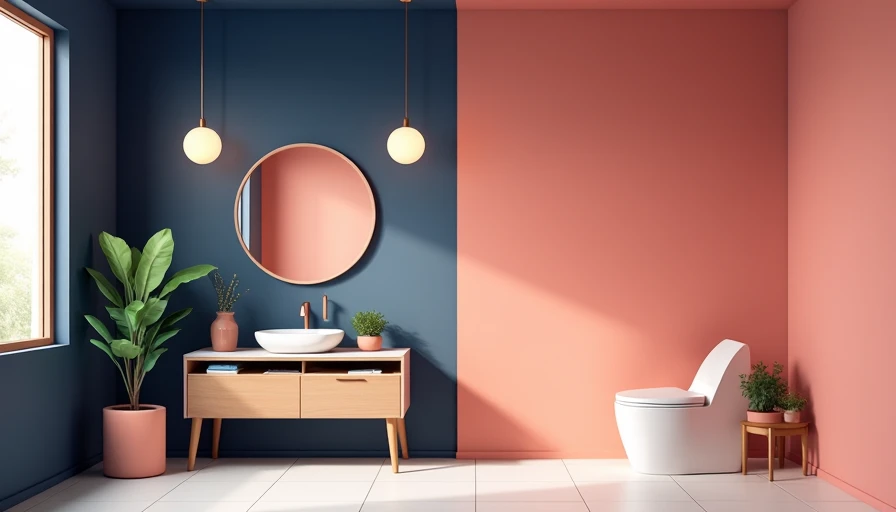
Bathroom vanity lights do more for a tight bathroom than most people expect. In a 40-square-foot powder room, the right fixture can calm the mirror wall, fix shadows, and make the whole room feel two inches wider without moving a single pipe. I have watched a basic builder bath jump from forgettable to intentional with a swap that cost less than a weekend of takeout. The trick is not buying the fanciest shape. It is choosing the right scale, the right bulb, and the right placement so the light works with the room instead of fighting it.
How to size bathroom vanity lights around the mirror
Start with the mirror, not the fixture. If the mirror is 24 to 30 inches wide, a slim bar or a pair of small sconces usually looks cleaner than one oversized piece. A good rule is to keep the light visually close to the mirror edge and avoid anything that spreads farther than the vanity itself. On a 36-inch vanity, a horizontal light that is roughly two-thirds to three-quarters the mirror width often feels balanced. If you are using two sconces, they should read like part of the mirror composition, not like decoration floating in space.
In small baths, scale is everything. A big multi-arm fixture may look fine on a mood board, but in a compact room it steals attention from the mirror and makes the ceiling feel lower. I prefer forms that have a little air around them: a narrow metal bar, opal glass shades, or simple cylinders. They keep the wall looking organized. That matters when the rest of the room is already doing a lot of work.
Brightness, color temperature, and the dimmer you should not skip
If bathroom vanity lights are too blue or too weak, the room reads tired no matter how nice the tile is. For most small bathrooms, I like warm white LEDs in the 2700K to 3000K range, with a CRI of 90+ so skin tones look natural. You do not need showroom brightness all day, but you do need enough light to shave, do makeup, and not miss details at the mirror. A dimmer is the cheapest upgrade in the room and the easiest way to make one fixture work for morning routines and evening wind-downs.
For a primary vanity, I usually aim for roughly 1,600 to 2,400 total lumens, depending on how much daylight the room gets. A darker interior bath can lean toward the higher end, while a bright room with a window can get by with less. The important part is evenness. One tiny bulb over the mirror creates shadows under the eyes and chin. Two well-placed sources or a wider bar light spread the glow more evenly, which is why bathroom vanity lights often feel more expensive after the swap even when the fixture itself was not.
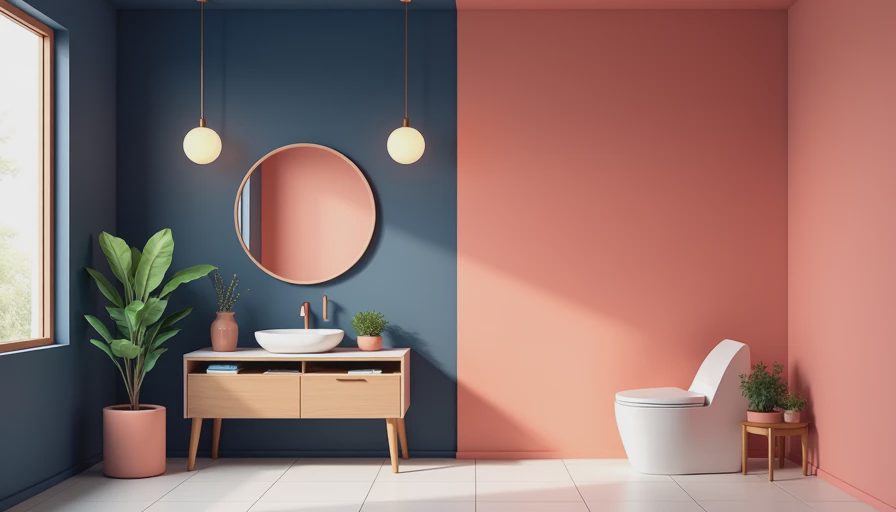
Mounting height and spacing that make a small bath feel taller
This is where a lot of otherwise good plans go sideways. When bathroom vanity lights sit too high, they fight the mirror and throw shadows under the eyes. When they sit too low, they clutter the wall and can make a low ceiling feel even lower. For sconces beside a mirror, I like the center of the fixture around eye level, usually somewhere in the mid-60-inch range from the floor for many adults. For a bar above the mirror, leaving a few inches of clearance between the mirror and the bottom of the fixture usually feels cleaner than crowding the top edge.
Spacing matters just as much as height. Two sconces should frame the mirror with enough room to breathe, often about 6 to 8 inches from the mirror edge, depending on shade size. In a narrow bath, that little bit of breathing room keeps the wall from looking packed. I once replaced a single flush mount in a 5-by-7 hall bath with two modest opal sconces beside a medicine cabinet. Nothing else changed. The room instantly felt taller because the light stopped flattening the whole wall.
Finishes that look good in rentals and budget remodels
The finish should support the room, not steal the scene. Polished nickel reflects a little light and works with almost any plumbing trim. Matte black gives a crisp outline, but in a very small bath it needs softer shapes so it does not feel too heavy. Brushed brass can warm up white tile and plain drywall, especially when the rest of the room is cool-toned. Opal or frosted glass is usually my first choice because it hides the bulb and keeps the glow softer. Clear glass looks pretty in photos but can feel harsh when the room is tiny and the bulb is always visible.
If you are shopping on a budget, this is not the place to overspend on a trendy silhouette that will age fast. A clean, well-sized fixture from a big-box store or a dependable design retailer can do the job beautifully. I would rather see a driver spend $120 on a simple fixture and $40 on a dimmer than blow the budget on a sculptural piece that throws bad light. In a rental, that approach also makes sense because the room gets a real upgrade without forcing a full gut job.

A real-world shopping plan for a 5-by-7 bath
If I were updating a small bath on a practical budget, I would think in layers. First, choose a mirror size that leaves room for the light to breathe. Then pick bathroom vanity lights that fit the mirror rather than the other way around. After that, decide whether the room wants one centered bar or two side sconces. For a lot of starter homes and apartments, a simple hardwired fixture in the $90 to $180 range is plenty. If an electrician is already opening the box, the labor might land around $150 to $350, with a dimmer adding another $25 to $60.
A good example: a 24-inch vanity, a 30-inch round mirror, and two small opal sconces in brushed nickel. That setup gives enough spread without crowding the wall, and it works whether the tile is classic white subway or a more modern zellige look. The best bathroom vanity lights are the ones that solve the mirror, the task, and the budget at the same time. If you start there, the rest of the room gets easier, because the most visible problem is already handled.