
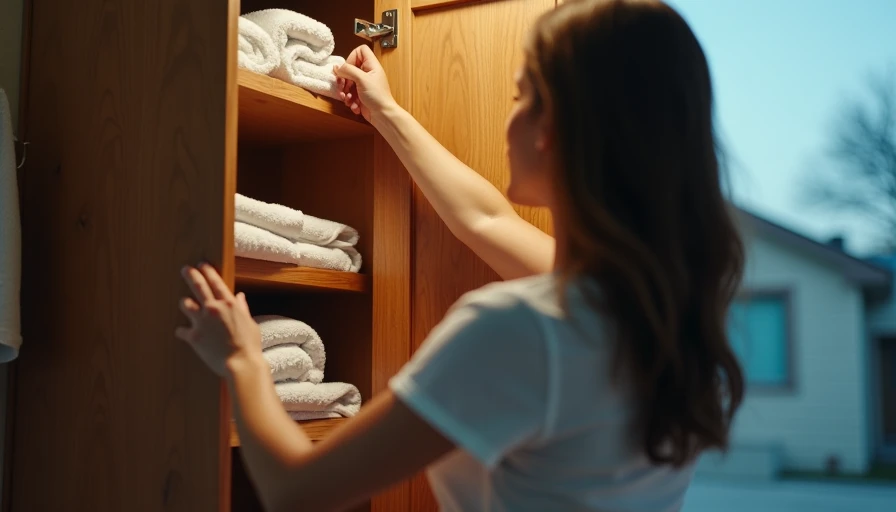
Small bathrooms punish bad storage faster than almost anything else, which is why a tall wood storage cabinet can do more for the room than a new towel bar or a prettier soap dispenser. In a space where the vanity is already crowded, the right vertical cabinet gives you hidden storage, warmer texture, and a cleaner sightline without eating precious floor area. The trick is not buying the biggest thing that fits online. It is choosing a piece that matches the room's humidity, width, and traffic pattern so it feels built for the bathroom instead of dropped in at the last minute.
Why vertical storage wins in a small bath
A cabinet that goes up instead of out is the oldest small-space move for a reason. In a bathroom under 80 square feet, floor area is precious and visual clutter gets loud fast. A unit that is roughly 60 to 72 inches tall and 12 to 16 inches deep can hold towels, backup toiletries, and a hair dryer without turning the room into a hallway. Closed doors matter too. Open shelves look great in a styled photo, but in daily life they put every bottle, tissue box, and half-used lotion in plain view.
A slender cabinet also helps the room read as more balanced. If the vanity is short and squat, a taller piece gives the eye a place to travel upward, which makes the ceiling feel a little higher. That effect matters even more in old apartments with low-light windows and not much architectural detail. Skip the oversized armoire with decorative legs. In a small bath, simple lines and a narrow footprint usually look more expensive than extra ornament.
How to place a tall wood storage cabinet without crowding the room
Placement is where most people go wrong. If you can, put it beside the vanity on the wall with the least traffic, not where the shower spray or the toilet path will clip it every day. Leave enough room for the door to open fully and for the handle to miss the mirror, trim, or towel hook. In a skinny layout, 14 to 18 inches wide usually feels right. If you have a little more room, 20 inches can work, but only when the piece still reads as vertical and lean.
Think about what happens when you walk in. If the cabinet blocks the first clear sightline, the room will feel smaller than it is. If it tucks into a dead corner or floats at the end of a vanity run, it adds storage without stealing attention from the best part of the room. In rental bathrooms, I also like a freestanding version with adjustable feet, because it deals with uneven floors and can move with you later.
Best wood and finish choices for humid rooms
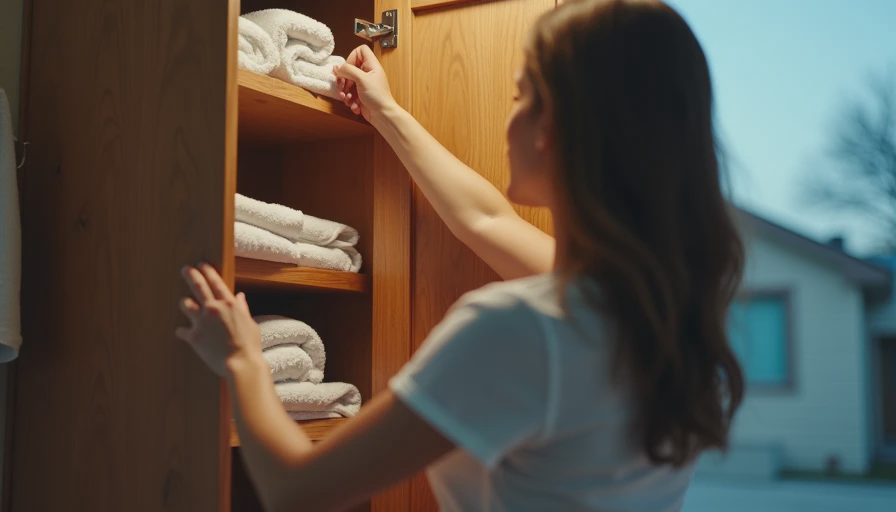
Bathroom humidity is the real test, not the showroom floor. Solid teak, white oak, and walnut are all strong choices if they are sealed well, and a well-made plywood cabinet with wood veneer can perform beautifully too while usually costing less. Painted finishes are smart when the room already feels busy, especially warm white, putty, or muted sage. They soften the visual weight of the piece and keep the room from feeling like it is overcommitted to dark wood.
I skip rough-sawn textures in tiny baths because they read dusty, not relaxed. Soft-close hinges are worth the upgrade because they keep the piece from slamming when the house is half asleep, and sealed edges matter more than people realize near a shower or tub. If the budget is tighter, shop the structure first and the finish second. A simple frame with solid hardware beats a pretty surface over a weak core every time.
What to store inside it
A tall wood storage cabinet with adjustable shelves works best when each shelf has a job. I like the top shelf for backup towels and bulk items, the middle shelves for daily skin-care and hair tools, and the bottom for less glamorous supplies like toilet paper, cleaning spray, and extra soap. The point is not to cram every inch full. It is to give each category one home so the cabinet actually saves time in the morning.
If two people share the bathroom, separate the shelves by person or by task. One bin for medicine, one tray for daily grab-and-go items, and one basket for travel-size extras keeps the cabinet from becoming a black hole. If you have children or guests, put the things you do not want within easy reach higher up and the durable stuff lower down. Clear labels help, but only if they stay simple. The best storage system is the one you can keep up with on a rushed weekday.
How to style it so the cabinet feels lighter
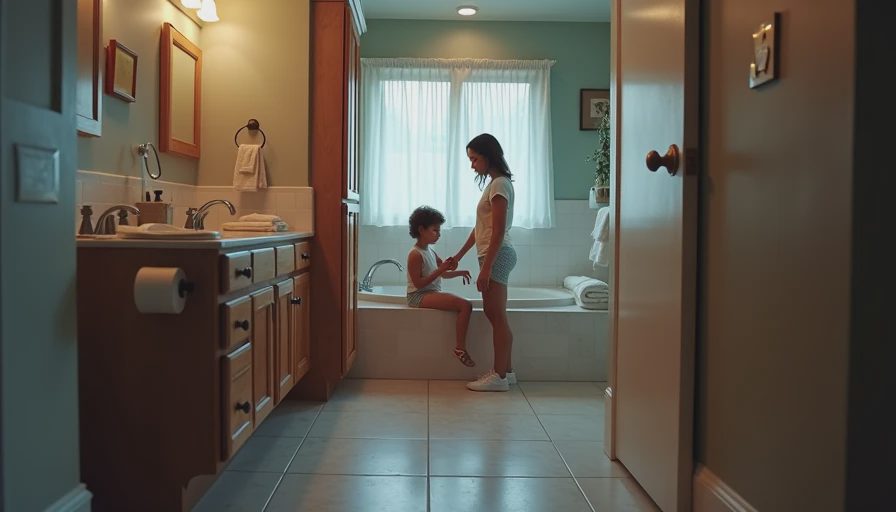
The easiest way to make a tall cabinet disappear is to keep the top simple and let the finish do the work. One small lamp, one framed print, or a narrow tray for hand soap is enough. In a room with a floating vanity, repeat the wood tone on the mirror frame or a stool so the cabinet looks intentional instead of random. When the same finish shows up twice, the room feels designed rather than furnished.
If the bathroom is all hard surfaces, a little texture goes a long way. A flat slab door can feel fine if the color is soft, but a simple panel detail or reeded glass on just one section can warm the room without making it busy. I usually avoid too many decorative objects on top, because small bathrooms need breathing room more than they need another styling moment. Keep the surface edited and the cabinet reads as architecture, not clutter.
Budget ranges and shopping rules
For most renters and first-time buyers, the sweet spot is usually between about $180 and $500. That gets you a useful piece with decent joinery, especially if you are shopping at big-box stores, home centers, or online sellers with solid reviews. Expect more like $800 to $2,000 if you want solid wood, better hardware, or a custom size that tucks into a weird corner. If you are seeing a price that looks too good to be true, check the back panel, hinge quality, and shelf thickness before you fall for the finish.
Before you click buy, measure width, depth, ceiling height, door swing, and the path from the front door to the bathroom. A piece can be perfect on paper and still fail if it hits a jamb or blocks the baseboard heater. The best choice solves a storage problem and makes the room look calmer the moment it arrives. If you are unsure, choose the simpler silhouette. Small bathrooms reward restraint far more than they reward drama.
When a freestanding unit beats a built-in
A built-in can be beautiful, but it is not always the smartest move. If your bathroom is a rental, if the walls are out of plumb, or if you may remodel later, a freestanding cabinet gives you flexibility without sacrificing looks. It also lets you test scale before committing to carpentry. That matters in older LA apartments where the room may have charm, but the corners are rarely square. A movable cabinet lets you work around the quirks instead of paying to fix them all at once.
The cleanest rule is simple: buy the version that fits your room today, not the fantasy version you hope to install someday. If the cabinet clears the door swing, keeps the counter clear, and does not crowd the toilet or shower path, it is doing the job. In a small bath, that is enough. If you get the dimensions right and choose a finish that can handle humidity, the storage will look good long after the trend has moved on.