
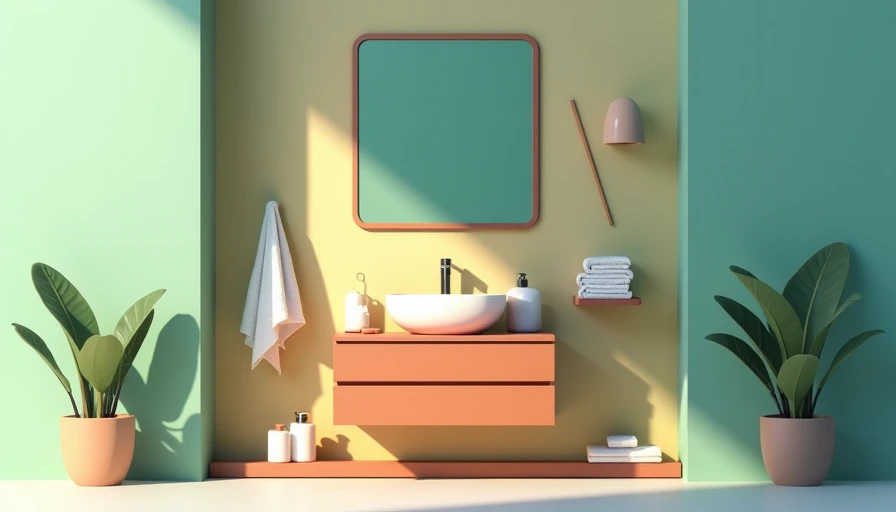
A medicine cabinet with mirror solves two small-bathroom problems at once: it gives you a place to stash daily clutter, and it replaces a flat mirror with something that earns its wall space. In a bathroom under 80 square feet, that matters. I design a lot of 5-by-7 and 5-by-8 baths in Los Angeles, and the first thing I look for is dead wall space above the sink. That spot is often the easiest place to add storage without stealing floor area, widening the vanity, or crowding the door swing. If your bathroom feels busy before you even add towels, this is one of the cleanest fixes.
Storage that earns its footprint
A medicine cabinet with mirror is best when the inside works as hard as the outside looks. The goal is not just hiding toothpaste. It is creating a tight, easy-to-reach zone for the things you use every morning: contact lens cases, moisturizer, sunscreen, razors, floss, and a spare razor head or two. In a small bath, I prefer that over open shelving because shelves collect visual noise fast. A recessed cabinet keeps the wall plane clean, while a surface-mount version gives you more flexibility when there is plumbing or studs in the way.
The interior matters just as much as the frame. Adjustable glass shelves are better than fixed ones because bottles and medicines come in awkward heights. A shallow lower shelf for daily items and a taller upper shelf for backup supplies is a smart layout. If the cabinet has a built-in outlet or LED strip, even better, but don’t let gadgets crowd out usable depth. A well-sized cabinet should feel effortless every time you open it, not like a puzzle box.
Pick the right size and depth
The most common mistake is buying a mirror that looks right online and feels tiny on the wall. A medicine cabinet with mirror should usually match the width of the vanity or land just a few inches narrower. For a 24-inch vanity, a 20-inch cabinet is a safe place to start. For a 30- to 36-inch vanity, 24 to 30 inches wide often looks balanced. Depth is the real decider. A 4-inch cabinet is slim and unobtrusive; a 5- to 6-inch cabinet gives you better storage but can project farther into the room.
That extra inch or two matters in a narrow bath. If the sink sits close to the door or the toilet is tight to the vanity, a surface-mount box can feel bulky. Recessed installation solves that by tucking most of the cabinet into the wall cavity. If you are replacing an existing mirrored box, check the stud spacing and the depth of any plumbing or electrical lines before you buy. It is much easier to choose the right size first than to force a too-large cabinet into a wall that was never built for it.
Light matters more than people think
A medicine cabinet with mirror only works well when the lighting around it is right. If the mirror is the only light source, you get shadows under the eyes and along the jaw, which is why so many bathrooms feel dim even with a decent ceiling fixture. I prefer either sconces flanking the cabinet or a strong overhead light paired with a bright mirror surface. Warm-white LEDs in the 2700K to 3000K range usually read best in a bath because they flatter skin tone without turning the room yellow.
If you choose an illuminated cabinet, check the output and the switch location. Some backlit models look sleek but do very little for task lighting. Others throw enough light to make shaving and makeup easier, which is the point. A mirrored front with clean edges also helps a small room feel a little wider. In a tight space, the cabinet should disappear visually when it is closed, then do its job quietly when you need it.
Rental-friendly and budget-friendly choices
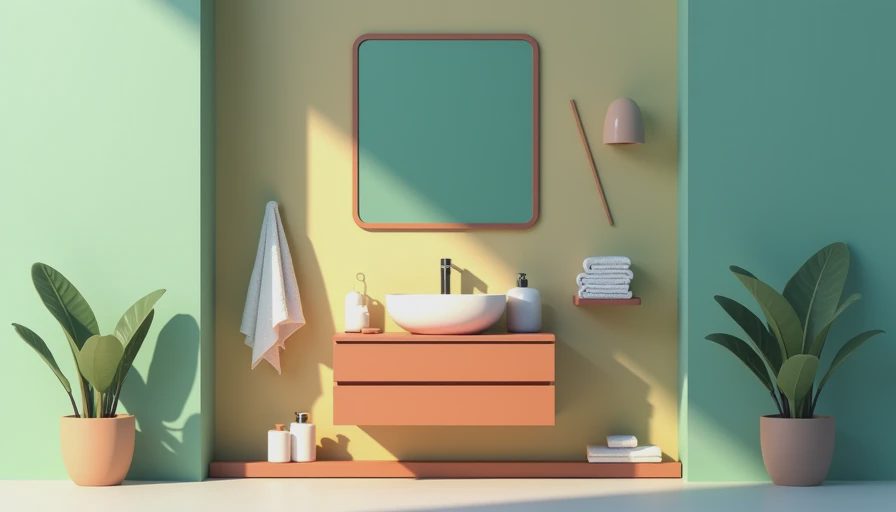
You do not need a custom millwork package to get this look. A medicine cabinet with mirror can be a relatively modest purchase if you shop the right tier. Basic surface-mount options at Home Depot, Lowe’s, or IKEA often land in the $100 to $300 range. Midrange models from brands like Kohler, Mirro, or Studio designs at specialty bath shops can move into the $300 to $700 range. If you want a recessed, fully finished cabinet with lighting, slim frames, or better hardware, $700 to $1,200 is not unusual, and high-end options can go well beyond that.
For renters, surface-mount is usually the safer path because it does not require opening the wall. Just confirm the landlord is comfortable with new screw holes, and keep the old mirror or hardware in case you need to put things back. For homeowners on a tight budget, I often recommend spending a little more on the frame quality and a little less on decorative extras. A clean, well-sized cabinet will outlast trendy brass details, and it will still look good when you change the faucet later.
Installation details that save you from frustration
The install is where good plans get derailed. Measure the vanity width, faucet height, and backsplash depth before you order anything. You want the cabinet low enough to be useful but high enough that the faucet does not cut into the reflected view. As a rule, I like the bottom edge high enough to clear the backsplash and any wall tile, with enough room to open the door without bumping the faucet. If the cabinet has a swing door, check which side opens and whether the door will hit a wall sconce, a medicine shelf, or the bathroom door.
If you are going recessed, confirm the wall cavity first. Older bathrooms often have surprises: vent pipes, vent stacks, blocking, or wiring that changes the usable depth. Even a few inches of obstruction can turn a perfect-looking cabinet into a bad fit. Surface-mount models are easier, but they still need solid anchoring into studs or blocking. I also like to set the cabinet so the reflection feels centered from the room entry, not just from a person standing flush at the sink.
A small-bathroom example that proves the point
In a recent 5-by-7 bath, the medicine cabinet with mirror replaced a plain mirror that had no storage and no presence. The vanity was 24 inches wide, the ceiling was standard height, and the wall behind the sink had enough cavity depth for a recessed unit. We used a 20-by-30 cabinet, which kept the proportions calm and left room for a slim pair of sconces. That one change cleared the countertop, gave the client a real place for daily products, and made the room feel less cramped because the wall read as one continuous plane instead of a cluster of objects.
That is why I push this solution so often. It is not flashy, and it is not trying to be. It just solves the two things small bathrooms struggle with most: storage and visual clutter. If your bath feels unfinished, start here before you rip out tile or buy another basket. A good mirrored cabinet can do more for the room than a lot of expensive finishes, and it usually costs a lot less.

What to do next if your bathroom feels stuck
If you are deciding between a bigger mirror and a cabinet, choose the cabinet when countertop clutter is part of the problem. If your bathroom already has enough storage elsewhere, a simpler mirror may be cleaner. But when the sink area is doing too much, a medicine cabinet with mirror is one of the rare upgrades that improves function, light, and proportion at the same time. Measure carefully, pick the right depth, and resist the urge to oversize it just because the wall can technically take it. In a small bathroom, restraint usually looks more expensive than excess.