
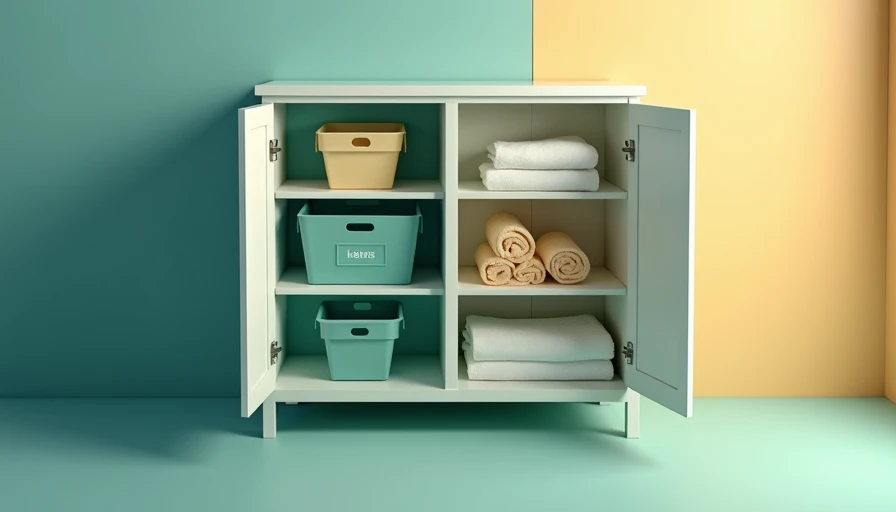
A bathroom storage cabinet should do more than swallow towels and toothpaste. In a small bath, it has to earn wall space, clear the door swing, and still look like it belonged there from day one. That is the whole trick: use one strong piece to solve clutter without making the room feel boxed in. In the bathrooms I design around Los Angeles, the best results usually come from a simple cabinet with the right depth, the right finish, and the right placement. Get those three things right and even a 5-by-7 room starts to feel calmer, cleaner, and more expensive.
Start With the wall you actually have
The first mistake is shopping before measuring. Start by looking at the wall that can spare space without fighting the vanity, shower curb, or toilet paper zone. The sweet spot for a small bath is often a wall cabinet that is 18 to 24 inches wide and tall enough to read as intentional, not tiny. If your room is narrow, go vertical. A slim tower that reaches close to the ceiling will hold more than a squat box and draws the eye upward, which helps a low-ceiling room feel less compressed. If the bathroom already has a mirror over the sink, a separate storage piece on the side wall usually keeps the layout cleaner than trying to cram everything above the vanity.
A bathroom storage cabinet works best when it solves a real friction point. If towels live on the floor because the linen closet is in the hallway, put the cabinet near the shower. If counters are always crowded with skincare, make the cabinet part of the vanity wall so daily items land where hands naturally reach.
Depth and door style matter more than you think
A bathroom storage cabinet should usually be 14 to 16 inches deep if it sits on a main wall, because that gives you enough room for rolled towels, extra tissue, and a small basket without sticking too far into the room. Go shallower, around 8 to 10 inches, when the path is tight or the cabinet sits over a toilet. That slimmer profile is better than a beautiful cabinet that bruises elbows every morning. Door style matters too. Swing doors are fine when you have clearance, but mirrored fronts and lift-up doors can make a tight room feel less busy. In one project, switching from double swing doors to a single mirrored door made a 36-inch-wide wall feel twice as open.
If you want the cabinet to disappear, match the wall color. If you want it to read like furniture, choose a wood tone that repeats elsewhere, such as oak on a vanity or a stool. That repetition makes the whole room feel designed, not assembled.
Materials that survive steam, splashes, and bad habits
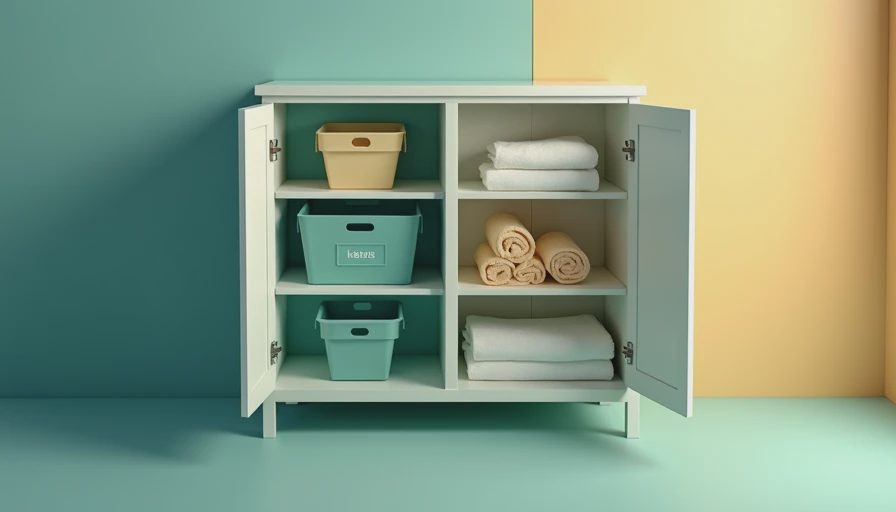
Humidity kills bargain cabinetry faster than people expect. The best bathroom storage cabinet for a wet room uses sealed edges, good hardware, and a finish that does not swell the first time someone forgets to run the fan. Plywood boxes with veneer fronts usually hold up better than raw particleboard, especially if the cabinet sits near the shower. MDF can work in a dry powder room or well-ventilated bath, but the finish quality has to be solid. Thermofoil is practical and easy to wipe down, though it can feel less rich than painted wood. Powder-coated steel is another smart option for a modern look, especially when the room needs something visually lighter.
Hardware is not a small detail here. Soft-close hinges, corrosion-resistant pulls, and simple interior shelves make the cabinet feel higher-end every time you use it. If budget is tight, spend on the shell and the hinges before you spend on decorative trim.
Put it where your routine already happens
If you can fit only one bathroom storage cabinet, place it where the routine is most repetitive. For most people, that means within a step or two of the sink, not across the room. Over-toilet placement works when the toilet tank leaves enough breathing room; keep the cabinet high enough that seated comfort is not compromised and low enough that the top remains usable. Side-wall placement is often smarter in a long, narrow bath because it keeps the center path open. In a rental, a wall-mounted unit also avoids eating floor space and can be removed later with less drama than built-ins.
Think in terms of reach zones. Everyday items should live between shoulder and eye level. Less-used extras, like backup shampoo or toilet paper packs, can sit higher or lower. That simple sorting keeps the cabinet useful instead of turning it into a junk drawer with doors.
What to buy at three budget levels
At the low end, an IKEA ENHET or similar ready-to-assemble bathroom storage cabinet can be a smart way to get clean lines for roughly $80 to $250, especially in a rental or first apartment. These pieces are not heirlooms, but they are often good enough when the layout is the priority. In the middle range, expect about $250 to $700 for better finishes, thicker panels, and hardware that feels less flimsy. That is the zone where brands sold through major home centers and design retailers start making sense. If you want a custom or semi-custom solution, budget from about $900 to $2,500 or more depending on size, finish, and install. That level pays off when the wall is odd-shaped or you need the cabinet to align exactly with tile lines, sconces, or a window casing.
The nice part is that a small bathroom rarely needs a huge spend to look finished. One well-proportioned cabinet often beats three cheap organizers fighting for attention.
A quick spec before you order
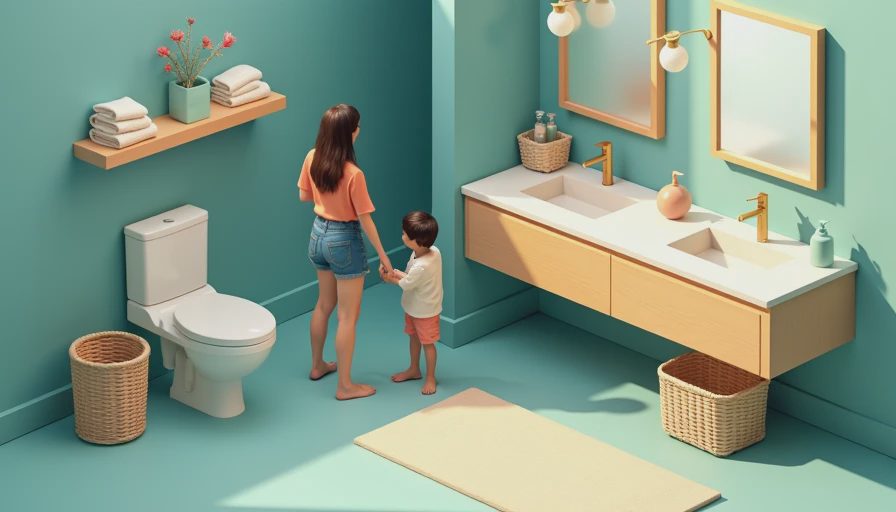
Before you click buy, check five things. First, measure width, depth, and height with the door open, not just closed. Second, confirm the cabinet will not block a switch, outlet, or the towel hook you already use. Third, look at the finish under natural light if you can, because warm oak, cool oak, and white oak all read differently next to tile. Fourth, verify the mounting system; a wall-hung cabinet needs solid anchoring, especially if you plan to load it with toiletries. Fifth, decide what lives inside before the cabinet arrives. If you want tall bottles, leave shelf space for them now instead of discovering too late that every shelf is too low.
A bathroom storage cabinet is at its best when it feels inevitable. The room looks calmer, the counters stay clearer, and you stop working around the storage instead of benefiting from it. That is the kind of upgrade that makes a small bathroom feel finished without pretending it is bigger than it really is.