

Bathroom ideas zen work best when they create visual quiet without making a small room feel flat or precious. In a 5-by-7 bathroom, you do not need a soaking tub, imported stone, or a dramatic renovation to get there. You need a disciplined palette, clear walking space, warm light, and somewhere to put every bottle. I have designed more than a few compact bathrooms where the budget was tight and the result still felt considered.
The goal is not to copy a spa. It is to remove the small sources of friction that make a bathroom feel chaotic. A towel that has nowhere to land, a vanity that blocks the door, and a blue-white ceiling light can undermine even beautiful tile. Start with the dimensions, then layer in texture and ritual.
Begin with the 5-by-7 layout
The most useful bathroom ideas zen start with circulation. A standard 60-inch tub or shower usually belongs along the short back wall, with the toilet beside it and a 24- to 30-inch vanity near the entrance. Keep at least 30 inches of clear space in front of the toilet and vanity whenever the existing walls allow it. That breathing room matters more than adding another decorative object.
If you are replacing a vanity, measure the door swing first. A 24-inch wall-mounted vanity can make a narrow bathroom feel substantially larger than a bulky 30-inch cabinet. IKEA's GODMORGON line is a practical starting point, while a simple custom plywood box can create the same floating effect for less. Wall-mounted fixtures also expose more floor, which makes the room easier to clean and visually calmer.
Skip the freestanding tub in a typical small bathroom. It consumes circulation, creates awkward cleaning gaps, and rarely delivers the relaxation people imagine. A well-planned shower with a generous niche is the better investment. If the room is only 5 feet wide, use a clear glass panel rather than a curtain when possible; the uninterrupted sightline makes those 60 inches feel more open.

Choose a quiet, warm material palette
The strongest bathroom ideas zen usually rely on three materials, not ten. Pair a warm off-white wall tile with natural wood or wood-look cabinetry and one tactile accent, such as honed stone, handmade-look ceramic, or a woven linen textile. Too much variation makes a small room read as busy, especially when grout lines are already doing visual work.
For tile, a 2-by-8-inch ceramic in ivory or pale sand gives a classic, affordable backdrop. Run it vertically in a shower to emphasize height, or stack it horizontally if the room is unusually narrow. Large-format porcelain can reduce grout lines, but do not choose a 24-by-48-inch slab simply because it is fashionable. Cutting and handling costs climb quickly, and a 12-by-24-inch tile is often easier for a small installer to work with.
Warm white is more forgiving than bright white. Benjamin Moore White Dove and Sherwin-Williams Shoji White are useful reference points, although the final color should be tested under your actual bulbs. Add contrast with aged brass, brushed nickel, or matte black hardware. In a small room, I prefer one metal finish throughout: faucet, mirror frame, hooks, and shower trim should look like a family.
Natural materials need not mean expensive materials. A teak shower stool from a home improvement store, a rattan basket, or a framed oak mirror can introduce warmth for less than the cost of replacing the floor. The trick is repetition. One wood tone used twice feels intentional; five unrelated faux woods feel accidental.
Use lighting to make calm visible
Lighting is where many bathroom ideas zen succeed or fail. A single ceiling fixture creates shadows under the eyes and turns every surface gray. Use layered light instead: a ceiling fixture for general brightness, a pair of sconces at the mirror for the face, and an optional low-level light near the floor or vanity.
Place sconces around 60 to 66 inches above the finished floor, adjusted for the people using the bathroom. Mounting them at eye level on both sides of a mirror produces more even light than a bar above it. Choose bulbs around 2700K to 3000K with a high color-rendering index, ideally 90 or above. That range keeps tile from looking icy while still being useful for grooming.
A backlit mirror can work in a tight room, but it should not replace functional front lighting. Look for a model with a hidden defogger if the budget allows. Otherwise, a simple oval mirror and two $60 to $150 sconces can produce a more tailored result. Dimmer switches are especially valuable at night, when a bright overhead light makes the room feel more like a utility closet than a retreat.
If you rent, replace the bulbs first, add a plug-in picture light if permitted, and use adhesive hooks for a towel ladder or robe. These changes are reversible and can shift the atmosphere in one afternoon.
Solve storage before adding decor
A serene bathroom has fewer things on display because it has better storage. Before buying candles or trays, count what needs to live in the room: toilet paper, towels, cleaning supplies, skincare, hair tools, and daily toiletries. Then assign each category a home.
A recessed medicine cabinet, such as a 20-by-30-inch model, adds storage without stealing elbow room. If wall depth or plumbing prevents that installation, choose a shallow surface-mounted cabinet with mirrored doors. A 6-inch-wide vertical cabinet beside the vanity can hold surprisingly much without crowding the toilet.
Inside the shower, a niche is usually more useful than a corner caddy. A 12-by-24-inch niche with two shelves handles shampoo, conditioner, soap, and a razor while keeping bottles off the floor. Waterproofing is not the place to improvise: use a qualified installer and a tested membrane system. The niche should slope slightly toward the shower so water does not sit on the shelf.
For bathroom ideas zen that do not require construction, use matching pump bottles, one lidded basket, and a small tray. Decanting every product is unnecessary, but reducing a collection of colorful labels to a controlled group creates immediate visual relief. Store backups elsewhere and keep only the current bottle in the shower.
Add softness without clutter
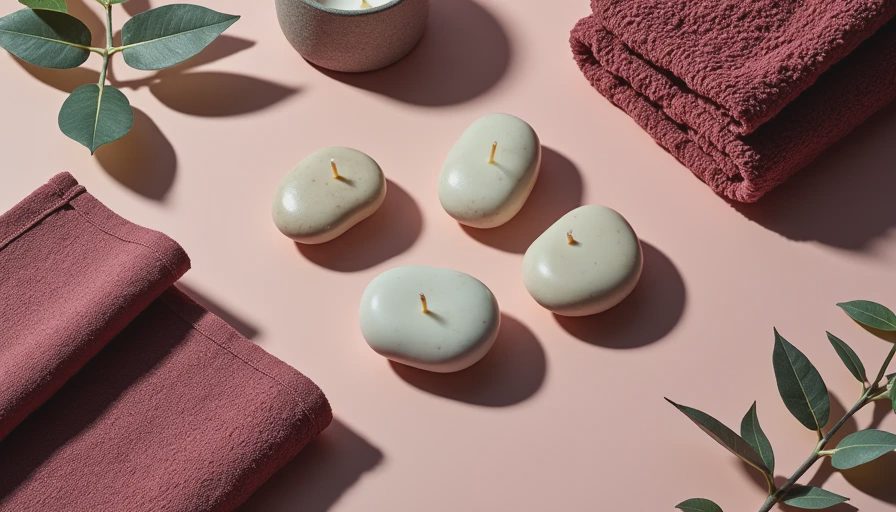
Hard tile, porcelain, glass, and metal need a few soft counterpoints. A washable cotton bath mat, linen shower curtain, and substantial towels can make a bathroom feel finished quickly. Choose one muted color such as clay, oat, eucalyptus, or charcoal rather than collecting several competing accents.
Plants are tempting, but not every bathroom has enough daylight. A pothos or snake plant can handle many indoor conditions, while a well-made artificial branch is better than a struggling fern in a dark room. Keep plant containers elevated and away from the shower spray so they do not become another cleaning task.
Art should be scaled to the wall. In a 5-by-7 bathroom, one 11-by-14-inch framed print often works better than a gallery wall. Choose a subject with quiet geometry, coastal texture, or a single restrained color. Protect paper with a frame and glass, and avoid placing valuable artwork directly above a wet tub.
These bathroom ideas zen should support the routine rather than interrupt it. Leave a clear landing spot for a phone or book, add a hook where a towel is actually used, and choose a bath mat that can be washed regularly. Good design is often just accurate observation.
A practical weekend plan
You can test the look before committing to a remodel. On Friday, remove countertop clutter and photograph the room from the doorway. On Saturday, replace bulbs, install hooks, and style a single tray. On Sunday, bring home two tile samples, three paint cards, and one hardware sample. View them together in morning and evening light.
For a modest refresh, budget roughly $100 to $300 for lighting and accessories, $300 to $1,000 for a new vanity and mirror, and considerably more for tile, plumbing, or waterproofing work. Paint, hardware, and storage usually deliver the clearest return when the layout is already functional. Bathroom ideas zen are not about spending the most; they are about spending on what changes the room's daily experience.
Before ordering anything, verify vanity dimensions, faucet-hole spacing, door clearance, and the direction of every drawer. A beautiful product that cannot open fully is not a design solution. If you want help comparing finishes or planning a 5-by-7 layout, start with a measured floor plan and a short list of frustrations. Calm begins with knowing exactly what the room needs.