
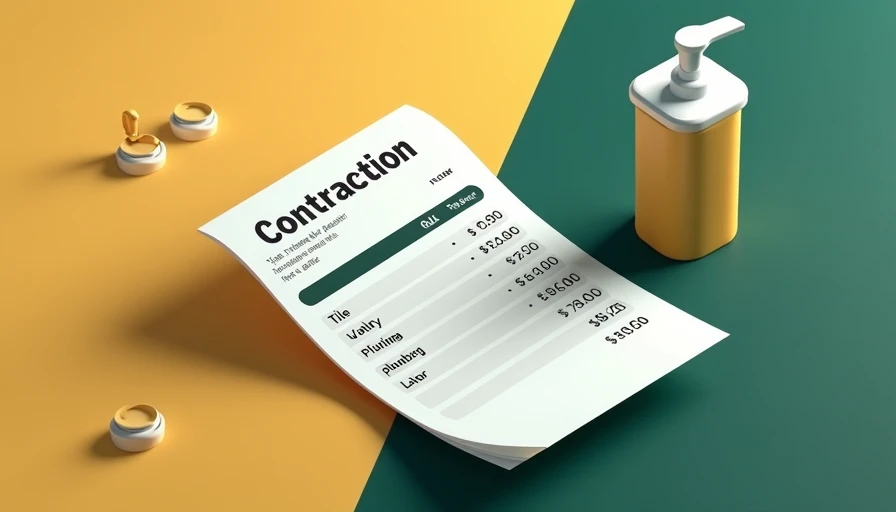
Bathroom remodel cost is rarely just the price of pretty tile. In a compact bathroom, the final number depends on plumbing, demolition, waterproofing, labor, fixtures, permits, and the decisions you make before anyone picks up a hammer. For a typical 5-by-7 bathroom, a sensible starting range is $12,000 to $25,000 for a professional renovation. A cosmetic refresh can cost less, while a high-end gut renovation can pass $35,000.
That range is wide because “remodel” can mean two very different things. Replacing a vanity, mirror, light fixture, and paint is not financially comparable to moving a toilet, removing a tub, and rebuilding the shower. After designing more than 80 bathrooms, I have found that the most successful small projects begin with a clear scope rather than a pile of inspirational photos.
What Drives Bathroom Remodel Cost?
The layout is the first major cost lever. Keeping the toilet, sink, and shower in their existing positions can save thousands because the contractor avoids relocating drain and supply lines. In a small Los Angeles bathroom, moving a toilet just 24 inches may involve opening the floor, changing the waste line, repairing the subfloor, and coordinating inspections. That decision can add $2,000 to $6,000 before you buy a single finish.
Labor usually represents a substantial portion of bathroom remodel cost. Demolition may run $1,000 to $3,000, rough plumbing can cost $2,000 to $6,000, and electrical work may add $800 to $2,500. Waterproofing deserves its own line item. A proper shower system from Schluter or Wedi costs more than a casual roll-on approach, but it protects the most failure-prone area in the room.
Materials create another dramatic swing. Porcelain tile from a mainstream retailer may cost $3 to $8 per square foot, while handmade zellige or specialty stone can run $15 to $40. The installation price also rises with small mosaics, uneven surfaces, niches, mitered edges, and complicated patterns. A simple 2-by-8-inch subway tile laid vertically can look intentional without creating the labor bill of a tiny geometric mosaic.

Three Realistic Small-Bath Budgets
A light refresh sits near the lower end of bathroom remodel cost. Expect roughly $3,000 to $8,000 if the layout stays untouched and the existing tub or shower remains usable. That budget might cover a $700 vanity, $250 faucet, $400 mirror, $300 light fixture, fresh paint, new hardware, and selective floor tile. It will not cover hidden water damage or major code corrections discovered after demolition.
A midrange renovation commonly lands between $12,000 and $25,000. This is where many homeowners get the best design value. The plan might include a new 30-inch vanity, a replacement toilet, a tiled shower, a frameless glass panel, updated lighting, a quiet exhaust fan, and durable porcelain flooring. Brands such as Kohler, American Standard, Delta, and Moen offer dependable fixtures at several price levels, leaving more of the budget for installation and waterproofing.
A higher-end project can reach $25,000 to $40,000 or more. That price may include custom cabinetry, slab stone, integrated lighting, heated floors, premium plumbing fixtures, and a complete layout change. Luxury is not automatically better in a 35-square-foot room. A custom walnut vanity can be beautiful, but it should not consume the budget while the shower valve, ventilation, or waterproofing receives shortcuts.
Where to Spend and Where to Save
The smartest approach to bathroom remodel cost is to spend on what is difficult to replace later. Waterproofing, valves, shutoff access, exhaust ventilation, and electrical safety belong at the top of the list. A quality shower valve installed behind the wall is a better investment than an expensive faucet that can be swapped in an afternoon.
Save on surfaces that deliver a similar visual effect at a lower price. A good porcelain tile can mimic limestone, terrazzo, or marble and usually requires less maintenance. Use one standout material on the shower wall, then choose a quieter floor and paint color. In a narrow room, running floor tile into the shower can make the space feel longer, especially when grout lines align.
Vanities are another opportunity. A ready-made 24- or 30-inch model from IKEA, Project Source, or a plumbing showroom can work well when paired with a better faucet and tailored hardware. Before ordering, confirm rough-in dimensions, sink clearance, door swing, and drawer interference. A beautiful vanity that blocks the bathroom door is not a bargain.
How to Lower the Final Number Without Making It Look Cheap
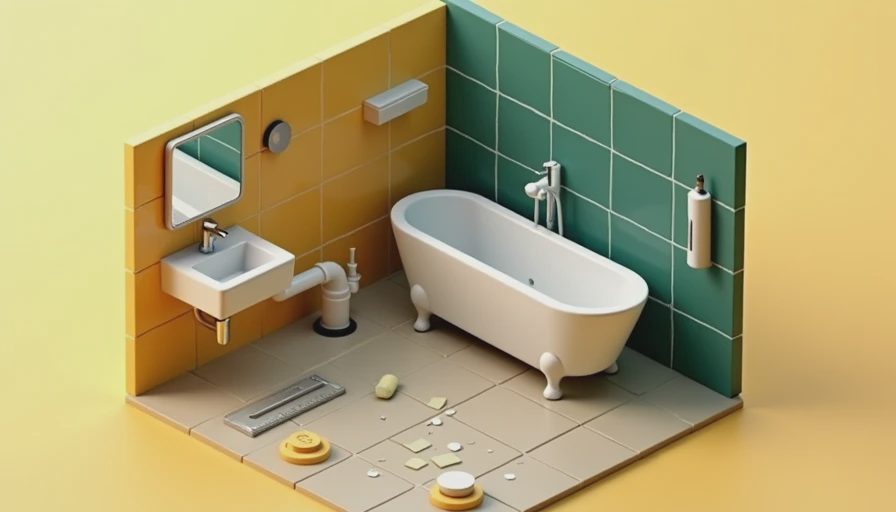
Start by measuring the room accurately. Record wall lengths, ceiling height, door width, window position, toilet centerline, and the distance from each plumbing fixture to the walls. A scaled sketch, even one drawn on graph paper, can prevent an expensive mistake. In a 5-by-7 room, a 2-inch clearance issue can determine whether a standard vanity works or a shallow model is required.
Get at least three written bids with identical scope. Ask each contractor to separate demolition, plumbing, electrical, waterproofing, tile installation, fixtures, finish materials, permits, and disposal. If one bid is $8,000 lower, the missing line item usually explains why. Also ask who purchases materials and who handles damage from delayed deliveries. A toilet arriving two weeks late can create labor and scheduling costs.
Set aside a contingency of 10% to 20%. Older bathrooms often hide soft subfloors, corroded shutoff valves, outdated wiring, or framing that is not square. A $16,000 renovation with a $2,400 contingency is healthier than a $16,000 plan that has no room for surprises. If the reserve remains unused, it can fund a better mirror, storage cabinet, or final styling layer.
A Design Plan That Works in 5 by 7 Feet
For many small bathrooms, the best layout keeps the tub or shower at the far end and places the vanity opposite the toilet. A wall-mounted vanity can reveal more floor and make cleaning easier, while a mirrored medicine cabinet provides storage without adding visual bulk. The Kohler Verdera and Robern-style recessed formats show why built-in storage often beats a decorative mirror plus countertop clutter.
Use a pocket door only when the wall construction and privacy needs make sense. Otherwise, a correctly hinged outswing door can recover valuable interior space without the hardware and framing complexity of a pocket system. Choose a clear glass shower panel instead of a heavy patterned curtain when the room needs more visual openness, but include a towel hook outside the splash zone.
Lighting should combine a ceiling fixture, face-level light, and effective shower ventilation. A single overhead bulb creates shadows at the mirror and makes a small room feel harsher. Warm white bulbs around 2700K to 3000K usually flatter tile and skin tones. These details are modest compared with the overall bathroom remodel cost, yet they strongly affect how finished the room feels every morning.
Is a Full Remodel Worth It?
Bathroom remodel cost makes sense when the existing room has leaks, poor ventilation, damaged tile, failing fixtures, or a layout that wastes every inch. It can also be worthwhile before selling if the bathroom looks visibly dated and the improvements are durable rather than overly personal. Buyers generally notice cracked grout, stained caulk, weak lighting, and inadequate storage faster than they notice a designer label.
A full gut renovation is not always necessary. If the shower is sound, the plumbing works, and the tile is neutral, replace the vanity, lighting, mirror, paint, and hardware instead. That approach can transform the room for $4,000 to $10,000 and avoid weeks of dust. The best bathroom remodel cost is not the lowest quote; it is the amount spent on changes that solve real problems and survive daily use.
Before signing, confirm the scope, payment schedule, warranty, insurance, permit responsibility, and start and completion dates. Then order long-lead items early, protect adjoining rooms, and keep a decision log for every finish. A small bathroom does not need an oversized budget. It needs a disciplined layout, durable materials, and a clear reason behind every inch.